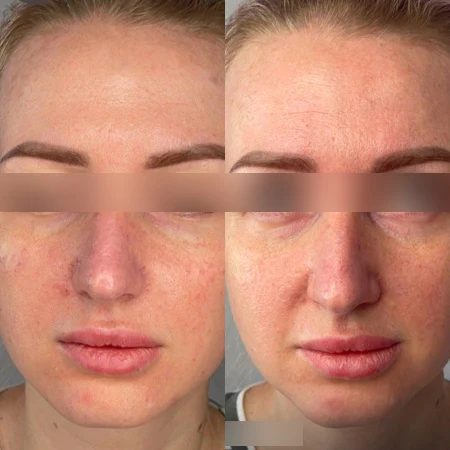
What PRP Therapy Is and How It Works
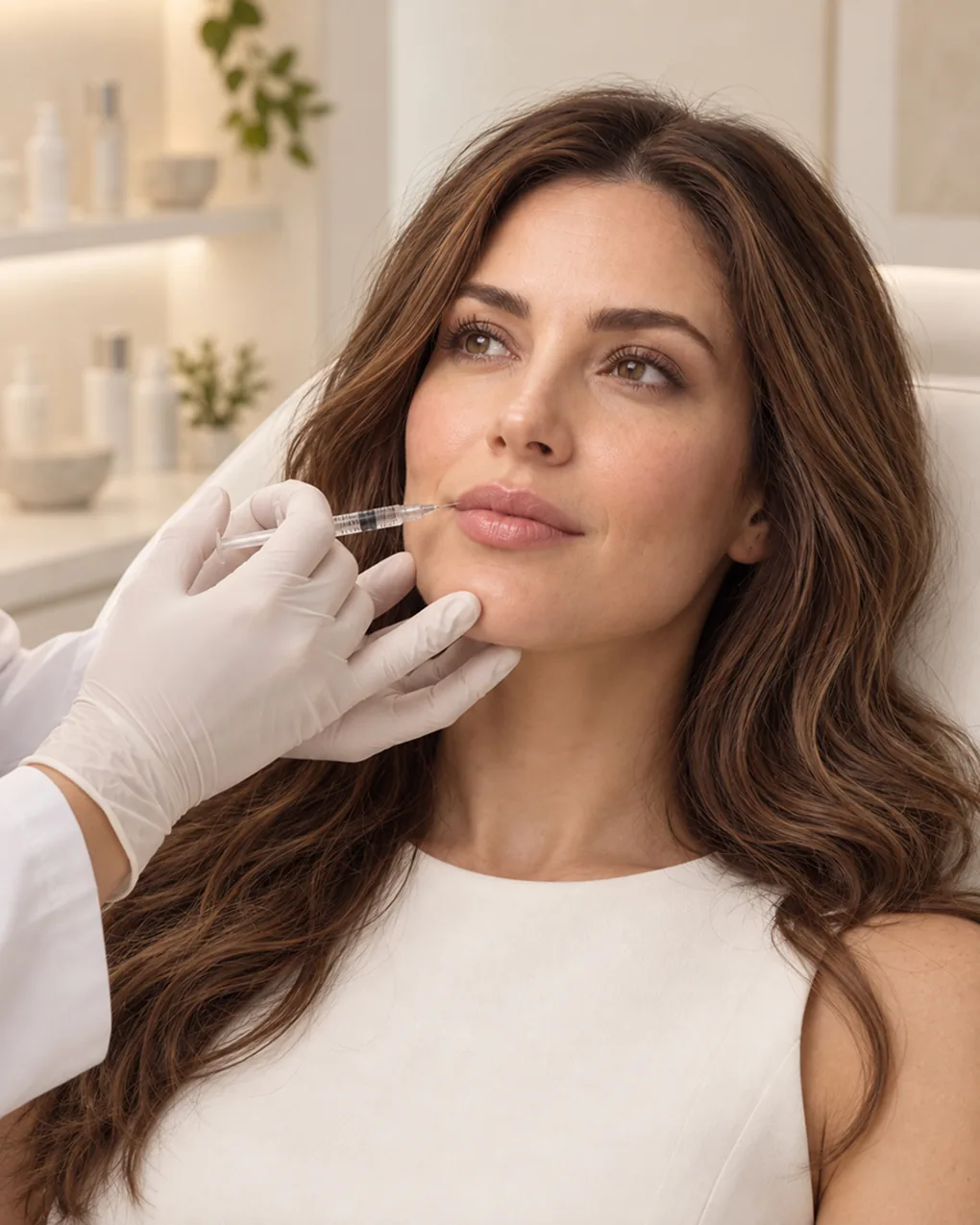
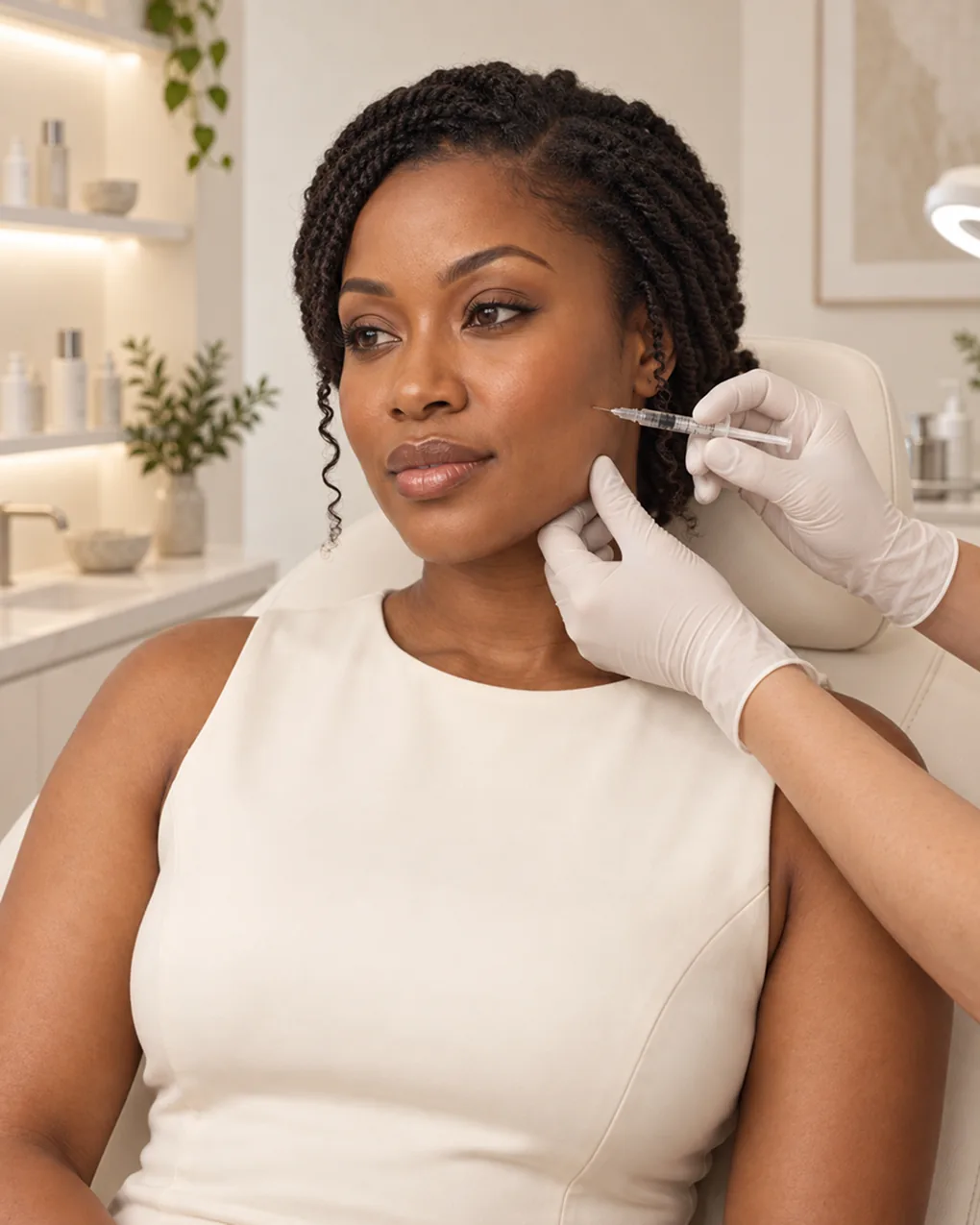
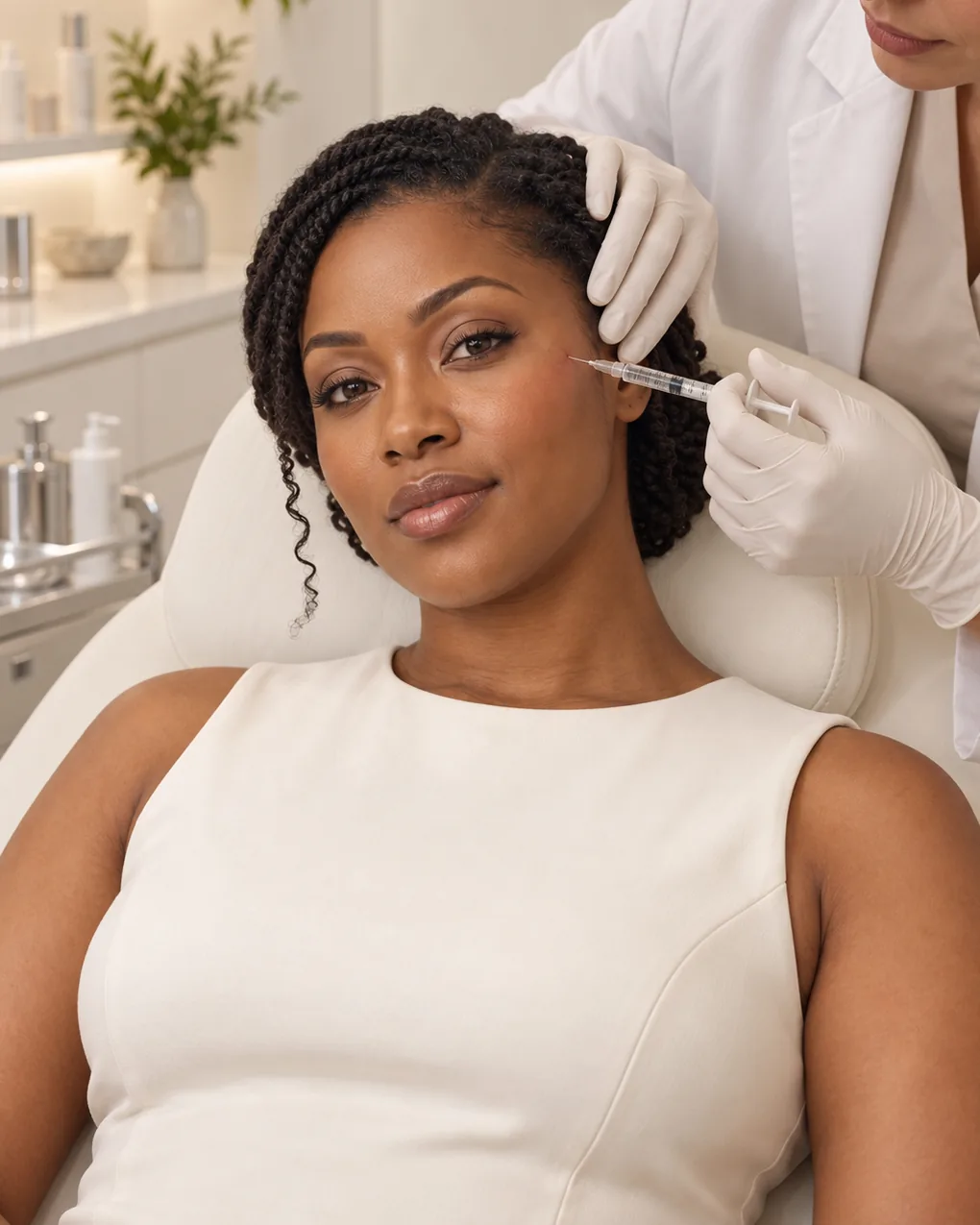
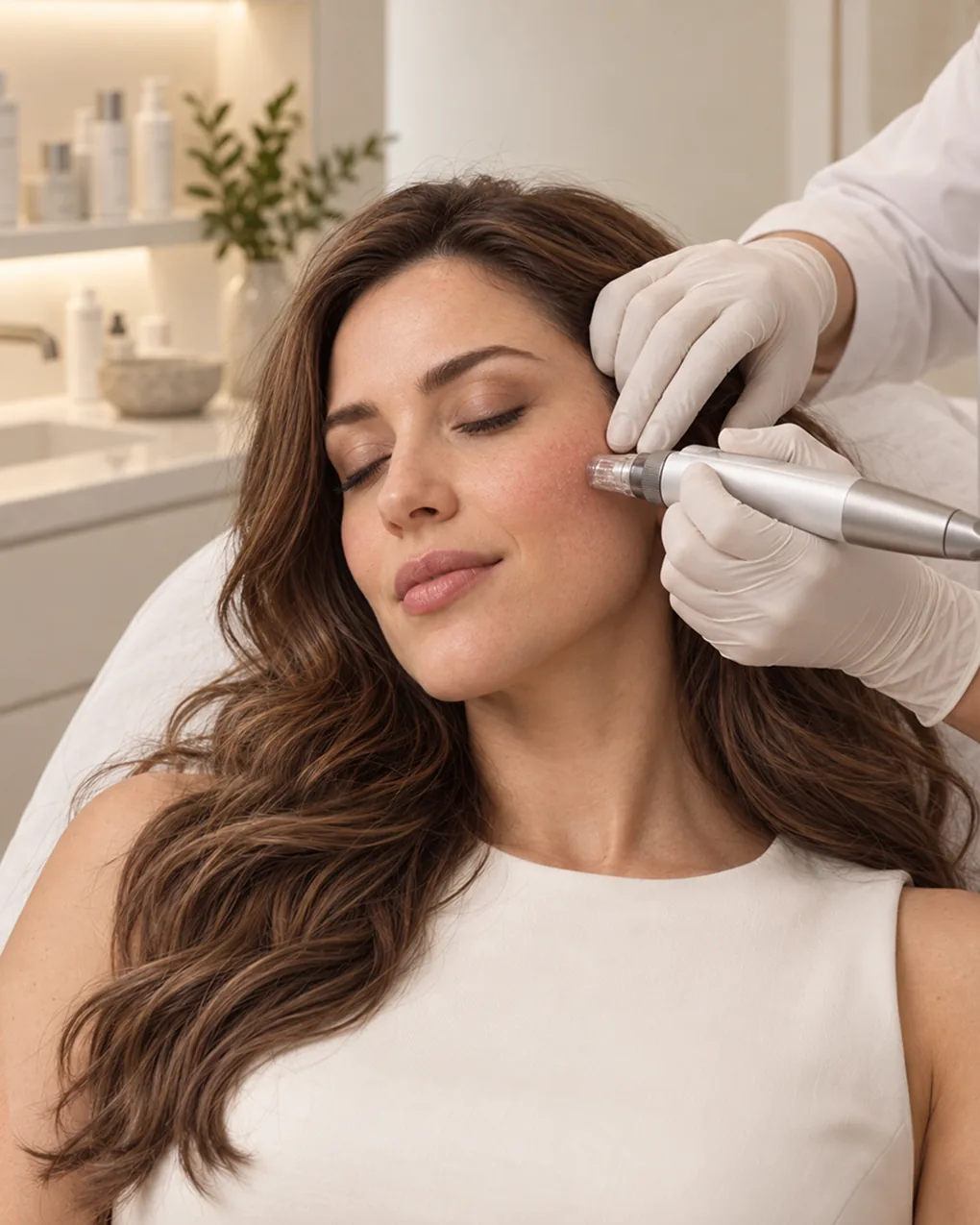
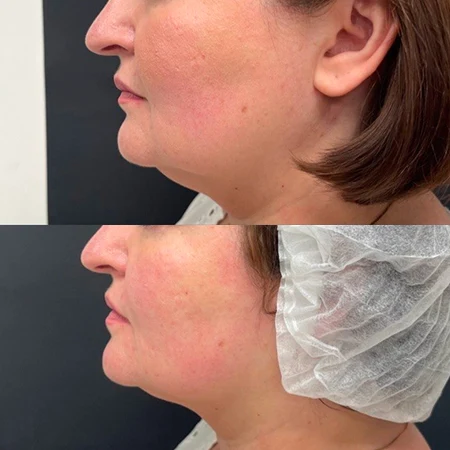
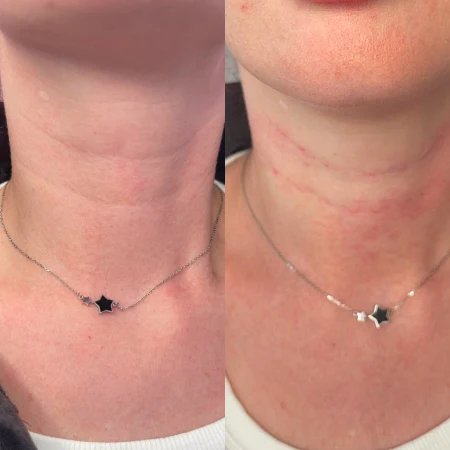
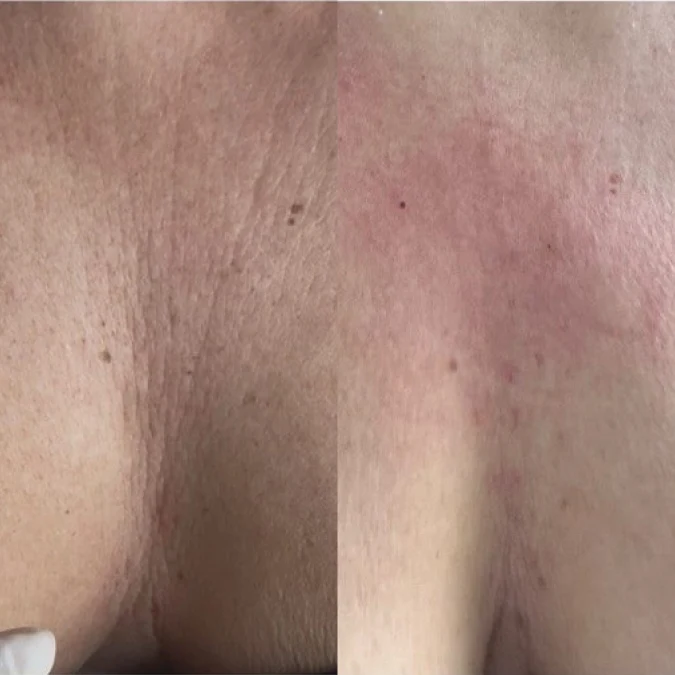
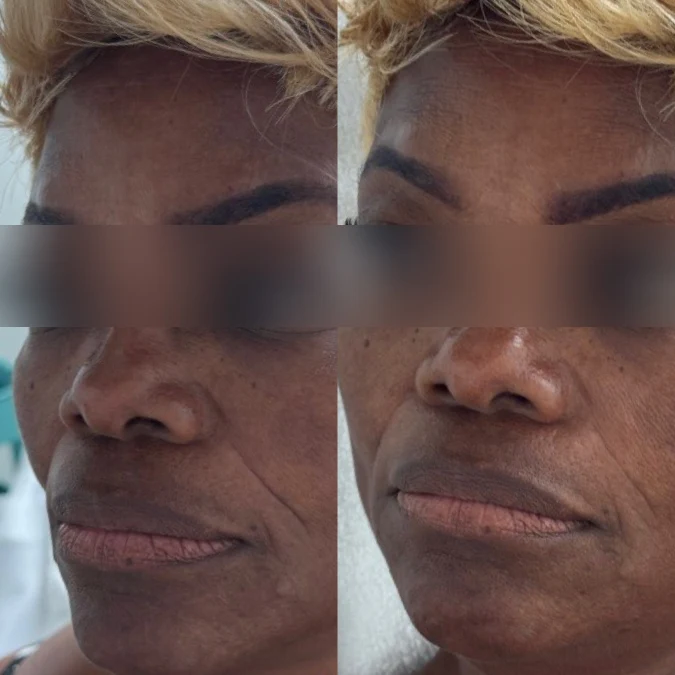
Platelets in blood plasma carry growth factors — naturally occurring, biologically active substances the body uses to heal tissue and renew cells. In PRP therapy, your blood is processed in a centrifuge to isolate a concentrated, platelet-rich plasma (PRP), which is then injected into the skin or scalp with a fine needle. The growth factors delivered stimulate your own cells to produce new collagen, improve microcirculation, and — for hair — activate hair follicles.
PRP for Hair
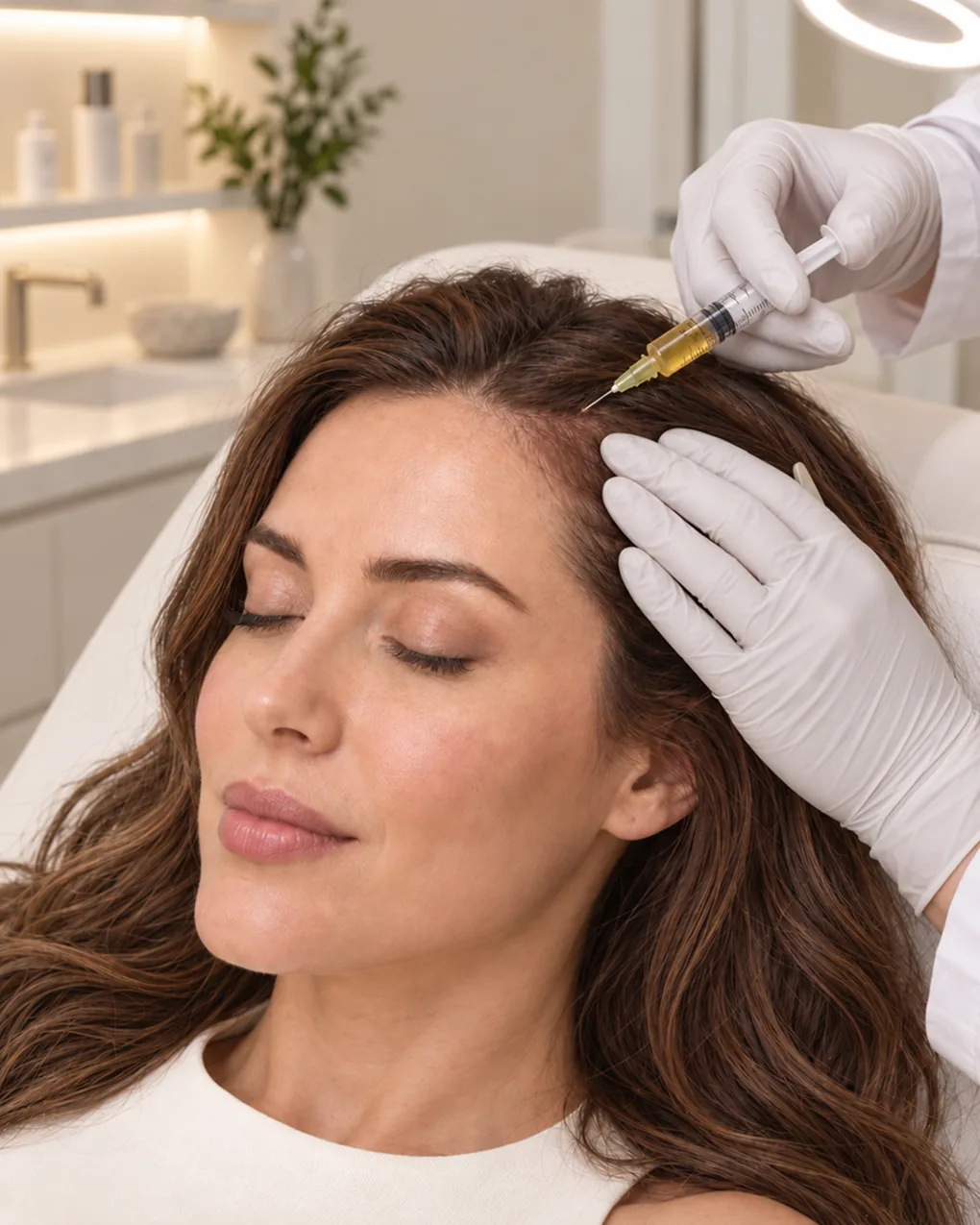
A separate and highly requested application is scalp PRP for hair strengthening and growth stimulation. Growth factors delivered into the scalp improve blood supply to hair follicles and can slow hair loss, especially in its early stages. This treatment runs as its own course and is often combined with other hair-strengthening methods — the specific protocol is discussed at consultation.
PRP, Skin Boosters, or Mesotherapy: What’s the Difference
These are three different approaches to skin rejuvenation through micro-injections, and we always walk through the difference at consultation. Skin boosters use native hyaluronic acid for deep hydration. Mesotherapy uses an individually formulated cocktail of vitamins and trace elements for a specific goal. PRP is different from both in that it introduces no outside substance at all — only a concentrate from your own blood, which keeps the risk of an allergic reaction to a minimum. Many patients combine PRP with skin boosters or mesotherapy as part of an overall skincare protocol.
How the Treatment Works
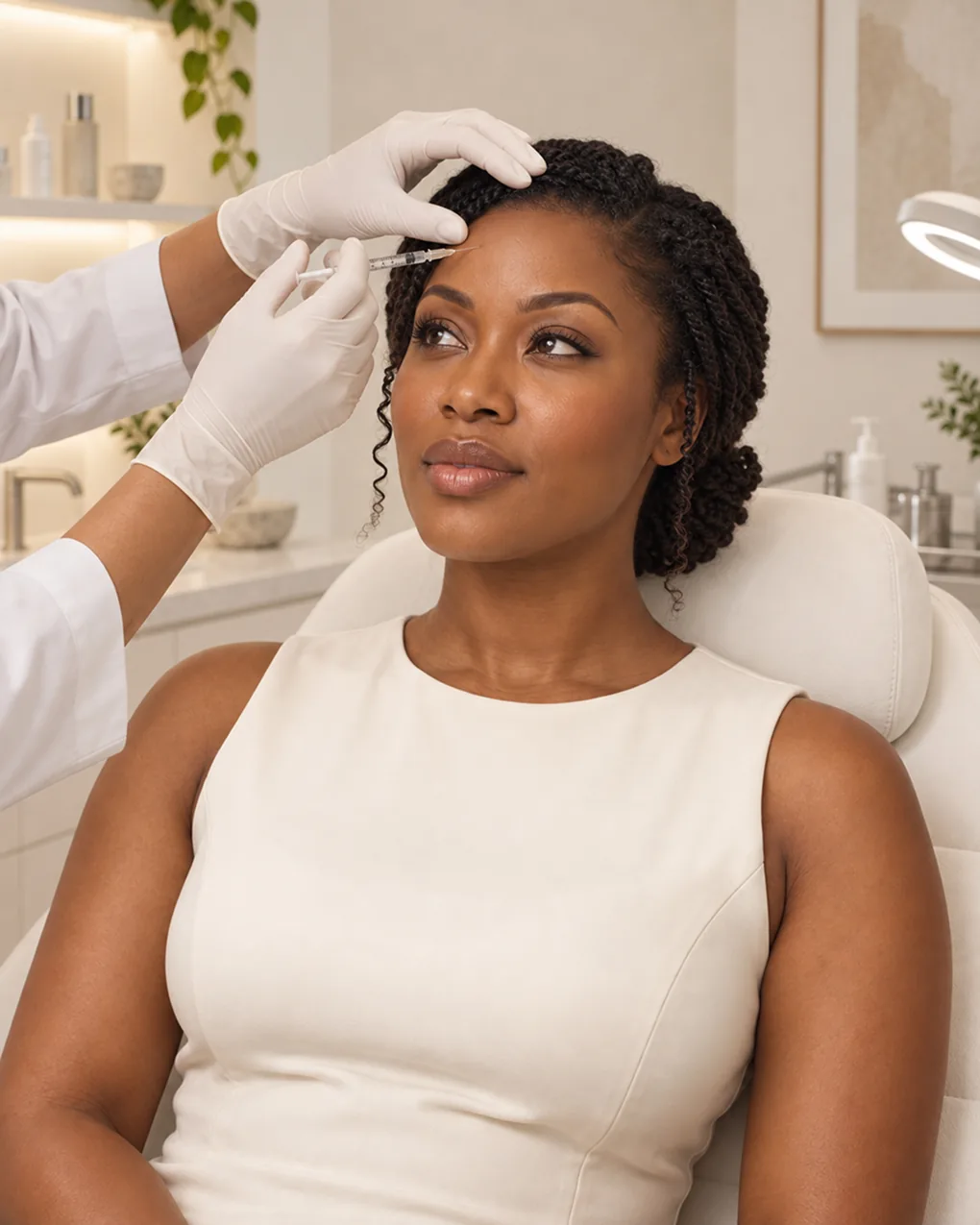
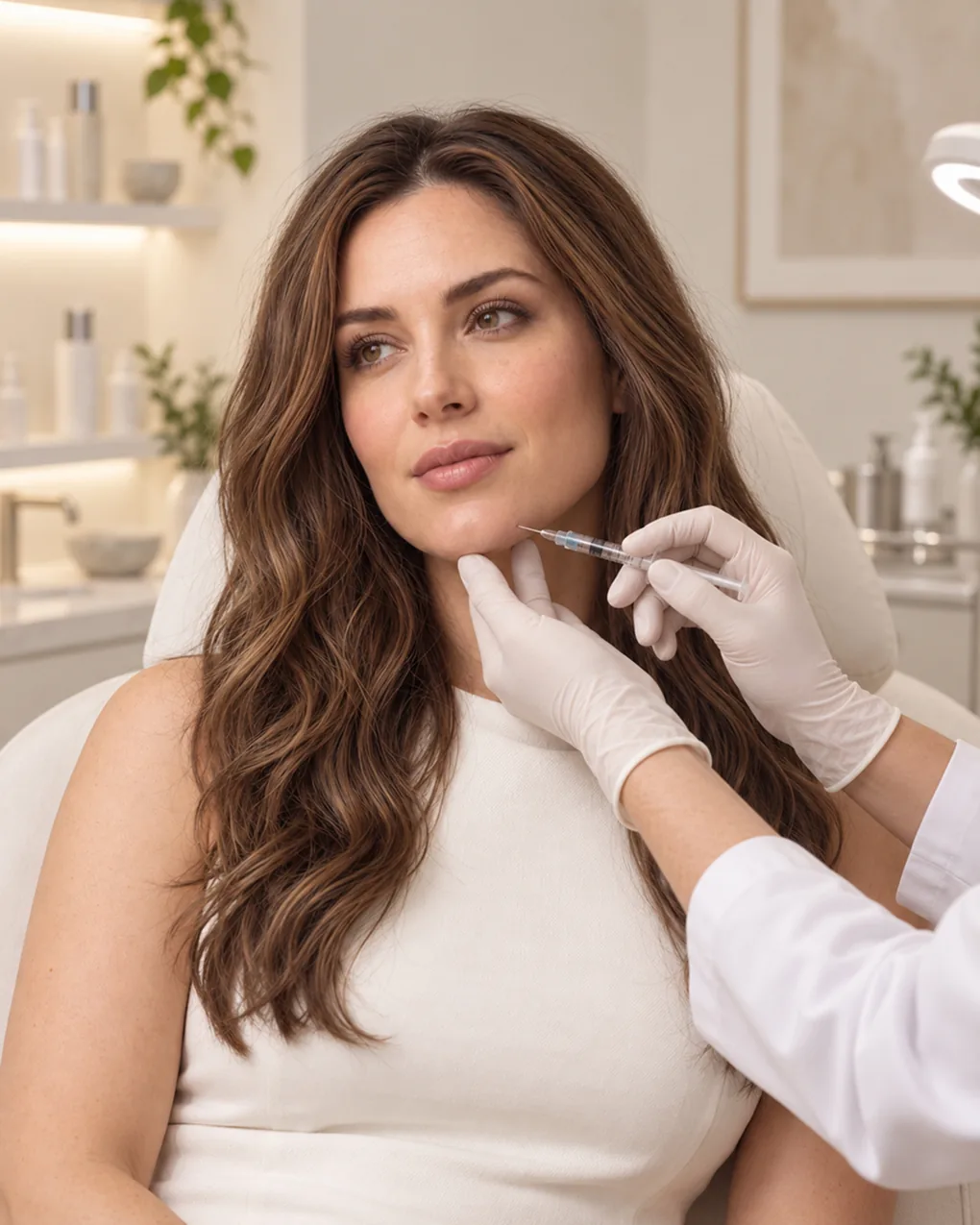
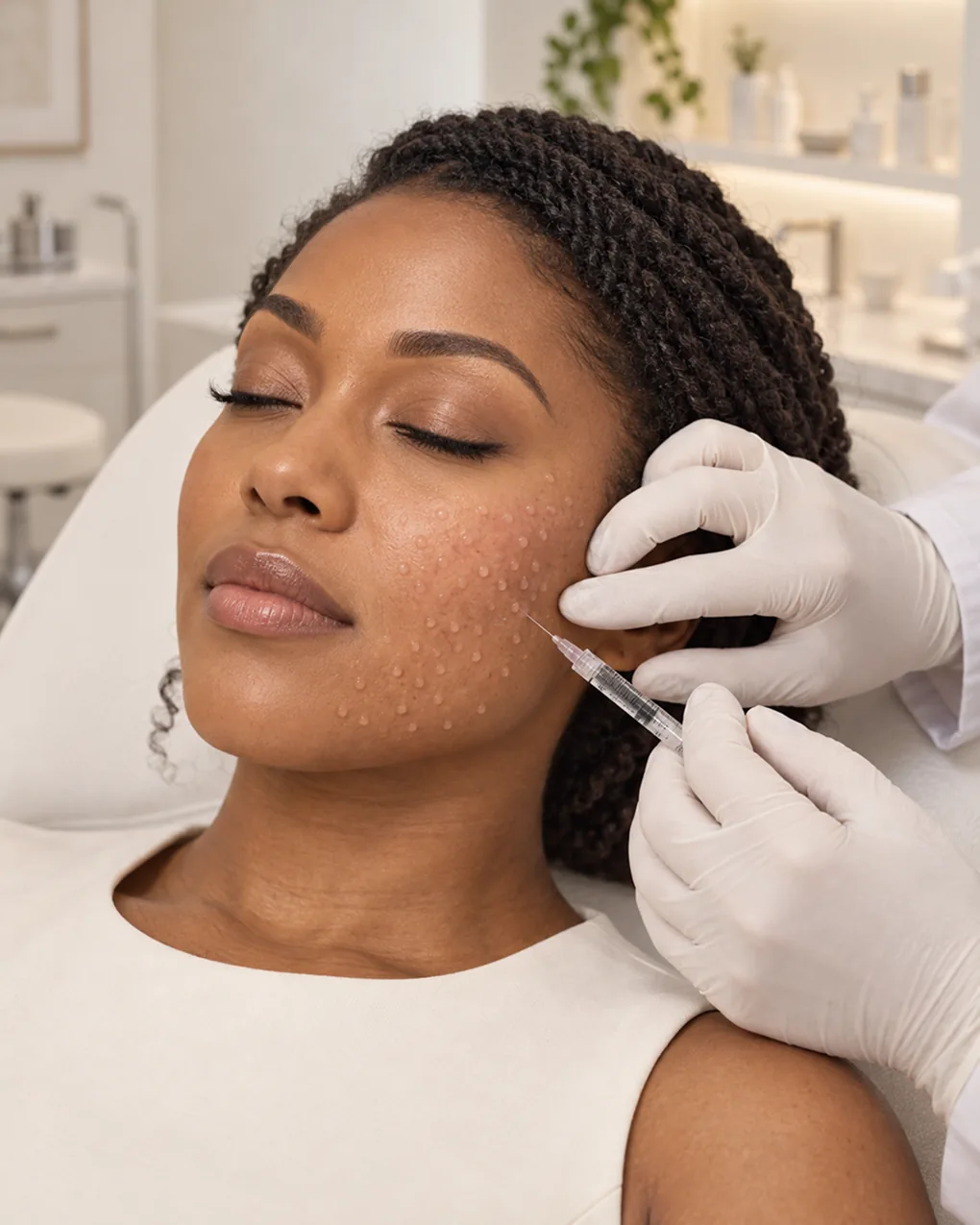
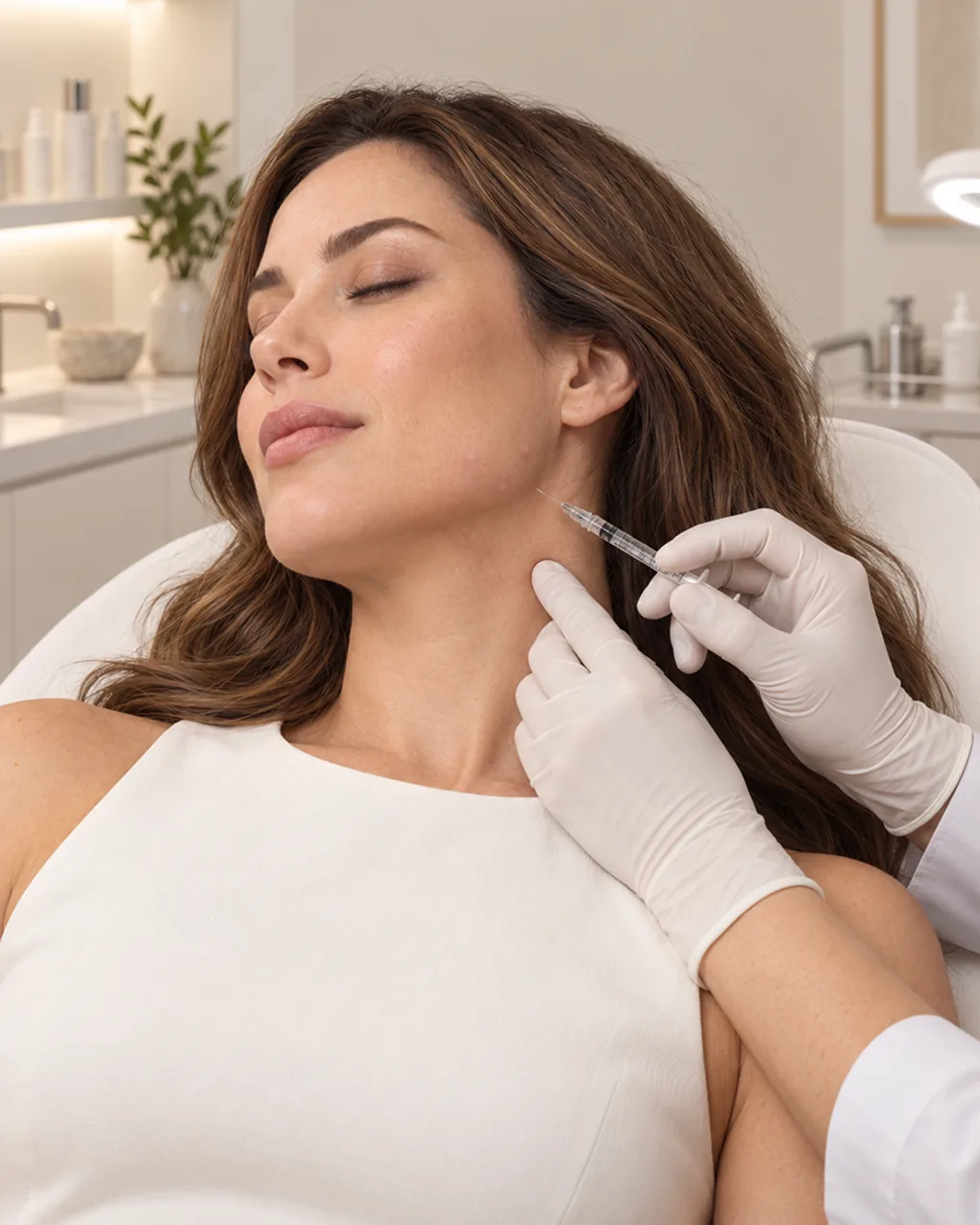
Treatment starts with drawing a small amount of blood from a vein — just like a routine blood test. The blood goes into a centrifuge, where platelet-rich plasma separates out over 10–15 minutes. Your specialist then injects the resulting plasma with a fine needle into the skin of the face or scalp. The entire visit, including the blood draw and processing, takes about 45–60 minutes.
Small bumps at the injection sites, mild redness, and pinpoint bruising are possible right after treatment — a normal reaction that resolves within a few days. You can return to your normal routine right away, though we recommend avoiding intense exercise, saunas, and steam rooms for the first 24 hours.
How Many Sessions You’ll Need, and How Long Results Last
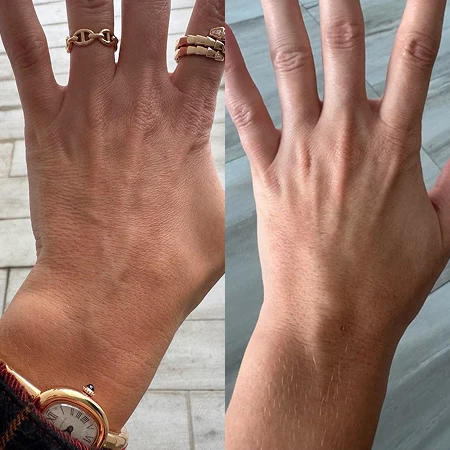
A standard course for the face is typically 3 sessions, spaced 4 weeks apart; for hair, 3–4 sessions at a similar interval. Initial changes are visible a few weeks into the course, with the full effect developing 1–3 months after it’s complete, once the body has had time to produce new collagen. Results last 6–12 months on average, after which maintenance sessions once or twice a year are recommended.
Safety of PRP Therapy
Cost of PRP Therapy in Boca Raton
Cost depends on the area treated (face, scalp, or both) and the number of sessions in your course — your specialist will confirm the exact plan and price after your consultation.
Why Patients Choose VESA
Aleksandra Grebenshchikova holds a medical degree from Kemerovo State Medical Academy (Russia) and advanced training in aesthetic cosmetology and injection techniques from The First Institute of Aesthetics and Cosmetology in Moscow. She practices in Florida as a Registered Nurse with a Master of Science in Nursing (RN, MSN, Florida National University) and is VESA’s injector, with 15 years of experience in injectable aesthetics, including PRP therapy for the face and scalp.
We follow a strict protocol for drawing and processing blood, and we always customize the course individually — so results look natural and are achieved with minimal risk to your health.
FAQ: PRP & PRF Therapy
What is PRP therapy using your own blood?
It’s a treatment in which platelet-rich plasma is isolated from your own blood and then injected back into the skin or scalp to stimulate tissue repair.
How is PRP different from skin boosters?
Skin boosters use hyaluronic acid; PRP uses a concentrate from your own blood, with no outside substance at all.
How many sessions do I need?
A standard course for the face is 3 sessions spaced 4 weeks apart; for hair, 3–4 sessions.
Does PRP therapy hurt?
Discomfort is minimal, comparable to a routine blood draw followed by micro-injections.
Can I be allergic to PRP therapy?
The risk is minimal, since your own plasma is used rather than an outside product.
Does PRP help with hair loss?
Yes, scalp PRP improves blood supply to hair follicles and can slow hair loss, especially in its early stages.
How long do PRP results last?
On average, 6–12 months after your course is complete, followed by maintenance sessions.
Are there any contraindications?
Yes — pregnancy and breastfeeding, bleeding disorders, blood conditions, active infections, and cancer. A full list is reviewed at consultation.
Individual results vary and are not guaranteed. PRP therapy is a medical treatment that requires an in-person consultation to review candidacy and contraindications. Information on this page is for general reference only and does not replace a consultation with a specialist.