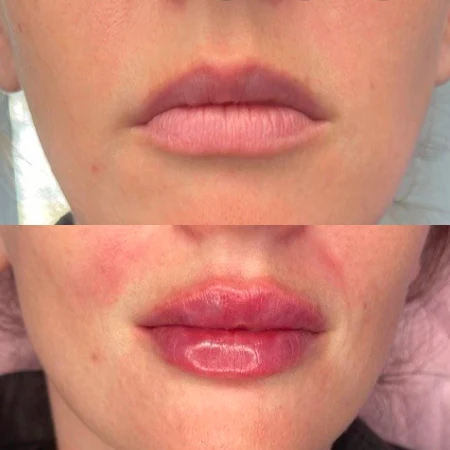
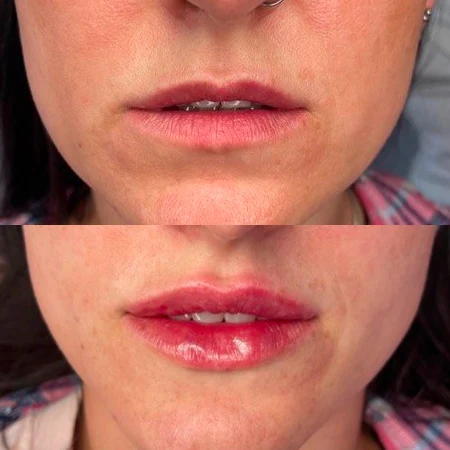
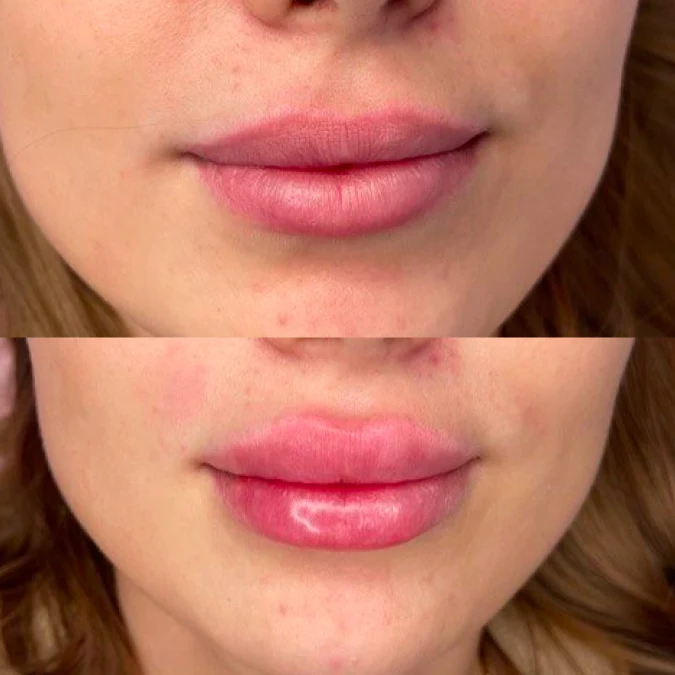
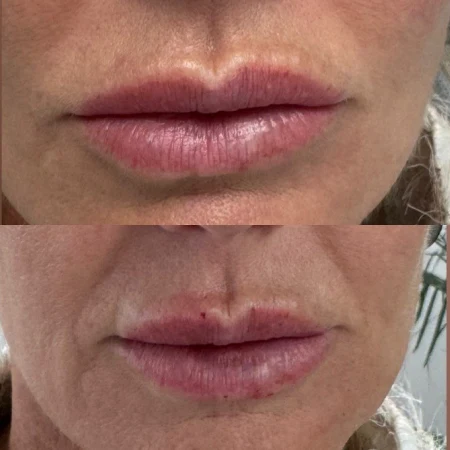
What Lip Fillers Are and How They Work
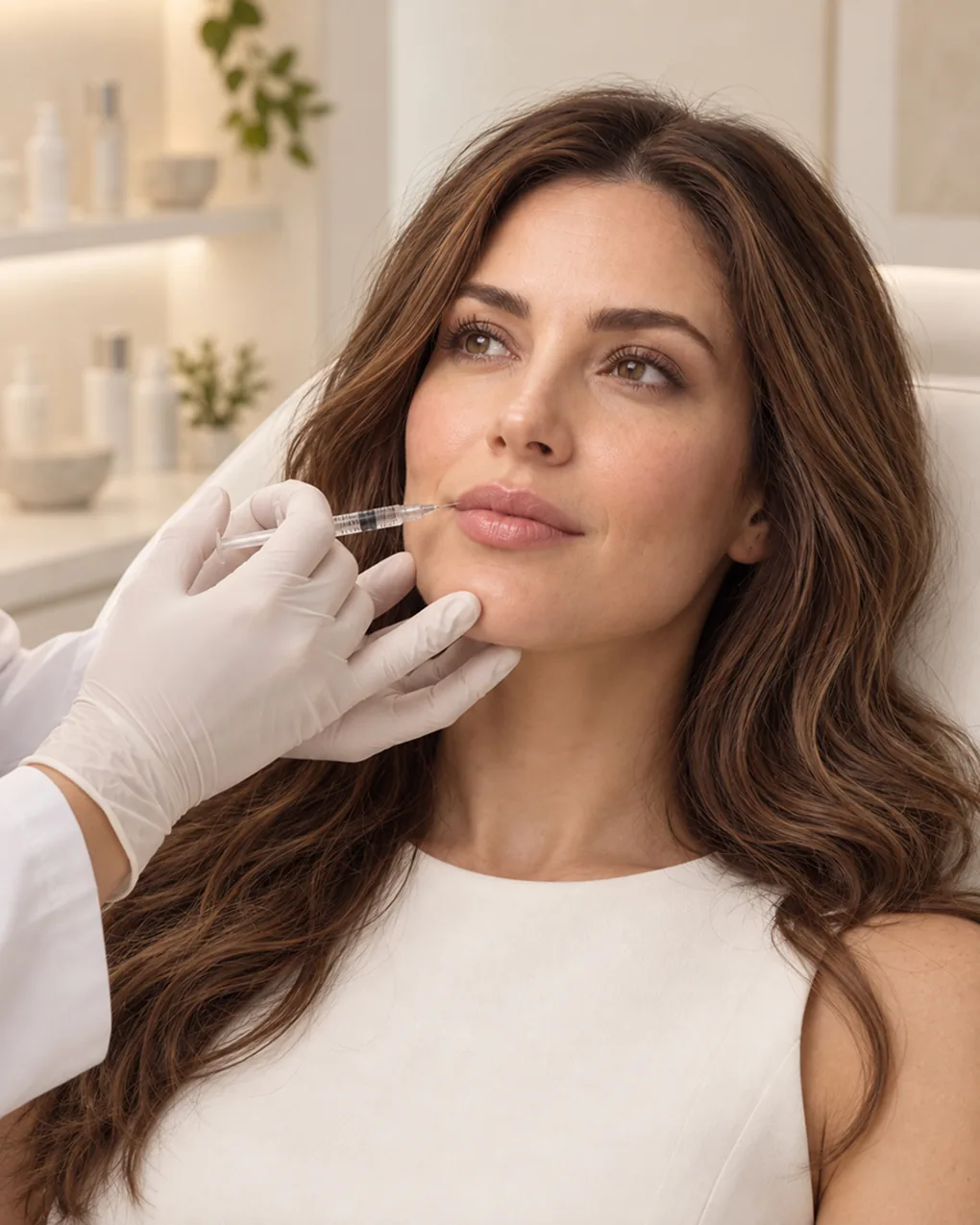
Lip filler treatment places a hyaluronic acid-based gel directly into the lip tissue. Hyaluronic acid already occurs naturally in the skin, so it integrates gently into the tissue, adding volume while also improving hydration. Depending on the goal, your specialist injects filler into the body of the lip for volume, along the border for a crisper edge, or at specific points to correct asymmetry or shape. Results are visible immediately, with the final outcome assessed no earlier than 2 weeks later, once swelling has fully resolved.
The Russian Lip Technique
One of the most requested approaches in recent years is the so-called “Russian technique” for lip augmentation. It isn’t a separate product — it’s an injection technique that distributes volume to emphasize the lip’s natural curve and create a soft, subtly lifted contour, avoiding the “sausage lip” look many patients worry about. Your specialist uses this technique as one of several possible approaches — which one is right for you is discussed at your consultation, based on your lip anatomy and desired outcome.
How the Treatment Works
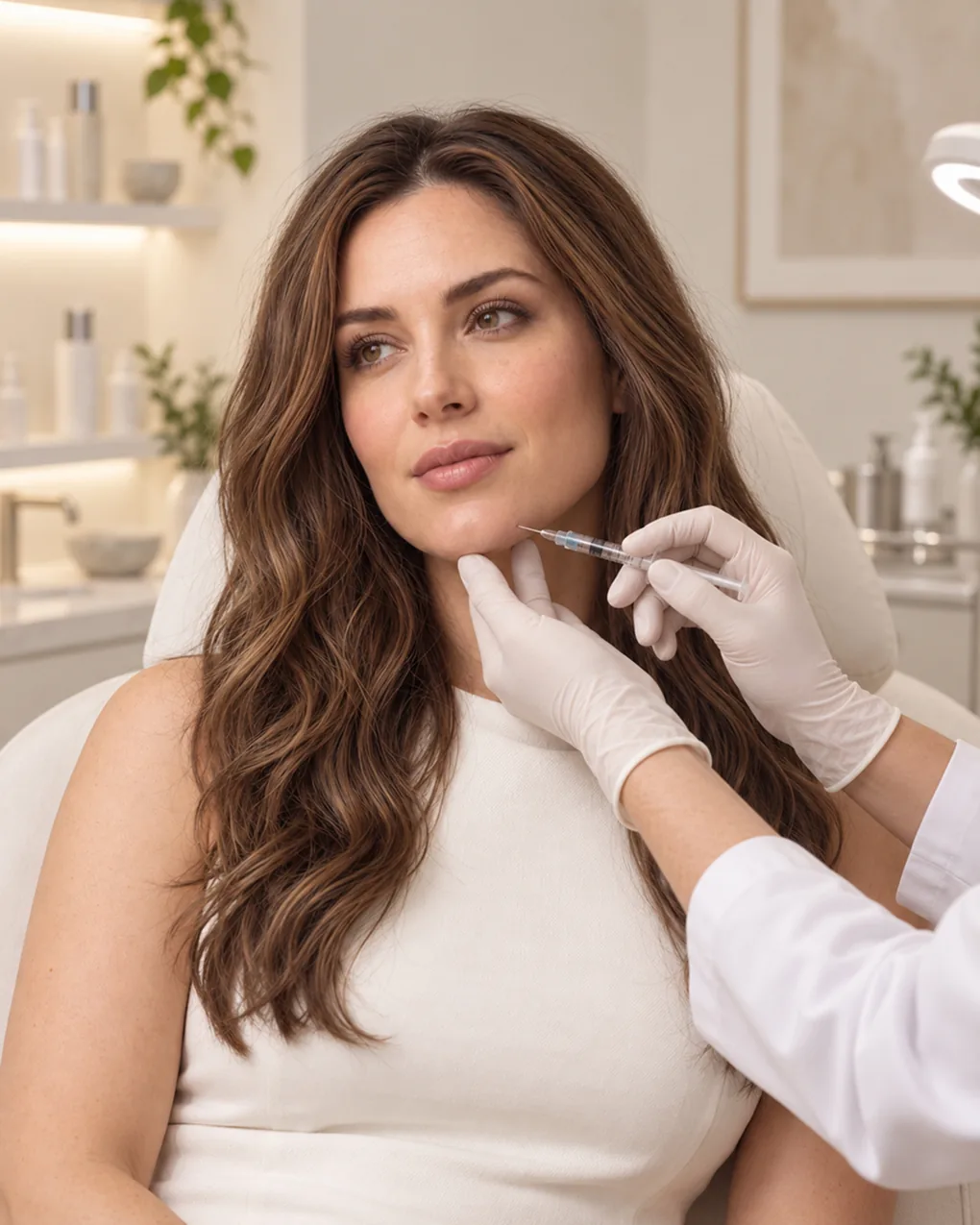
Your specialist examines your lips, discusses your desired volume and shape, and applies numbing cream for comfort. The treatment itself takes 20–30 minutes: filler is placed with a fine needle or cannula at several points. Mild swelling and slight temporary asymmetry are common right after injection — this is normal and resolves as swelling goes down.
You can return to your normal activities right away. For the first 24–48 hours, avoid intense exercise, a high-salt diet (which increases swelling), pressure on the lips, and heat — saunas, steam rooms, and extended sun exposure.
How Long Results Last, and How Much Filler You’ll Need
On average, lip filler results last 6–12 months: the lips are the most mobile area of the face, so filler metabolizes faster here than in a more static area like the cheeks. The amount of product is individualized: light correction typically needs about 0.5–1 syringe (mL), while more dramatic volume may require more. We always recommend starting with less — it’s easier to add more than to correct an overfilled result.
Safety and How We Minimize the Risk of “Duck Lips”
All the fillers we use are hyaluronic acid-based and FDA-approved. One of the biggest fears going into treatment is the so-called “duck lip” effect, or filler migrating beyond the natural lip border. In practice, this comes from injecting an excessive volume of gel in a single session, combined with overactive muscles around the mouth. With the right technique, the right product density, and a gradual increase in volume based on what you actually want, this risk can be minimized. That’s why your specialist always starts conservatively and can build on the result at a follow-up visit, rather than placing a large volume all at once.
Cost of Lip Fillers in Boca Raton
Cost depends on the volume of product used and the complexity of correction — your specialist will confirm the exact price after your consultation and exam. We always start with the volume your lips actually need, rather than selling a predetermined number of syringes.
Why Patients Choose VESA
Aleksandra Grebenshchikova holds a medical degree from Kemerovo State Medical Academy (Russia) and advanced training in aesthetic cosmetology and injection techniques from The First Institute of Aesthetics and Cosmetology in Moscow. She practices in Florida as a Registered Nurse with a Master of Science in Nursing (RN, MSN, Florida National University) and is VESA’s injector, with 15 years of experience in injectable aesthetics, including lip augmentation and shape correction.
We work only with original products sourced directly from the manufacturer, and we always favor a conservative, gradual approach to volume — so the result looks like your own lips, just more expressive.
FAQ: Lip Fillers
How long do lip filler results last?
On average, 6–12 months. The lips are a mobile area of the face, so filler metabolizes faster here than in more static areas.
How do you minimize the risk of “duck lips”?
This comes from injecting an excessive volume of gel in a single session, combined with overactive muscles around the mouth. Your specialist lowers this risk through precise technique, the right product density, and a gradual increase in volume based on your preferences.
Does lip filler hurt?
Discomfort is minimal — numbing cream is applied beforehand, and the injection itself takes just 20–30 minutes.
How much filler do I need for lip augmentation?
Light correction typically needs about 0.5–1 syringe, with more for a more dramatic result. Your exact plan is set at consultation.
What is the “Russian lip technique”?
It’s an injection technique that emphasizes the lip’s natural curve and creates a soft, lifted contour without a “sausage lip” look.
Which filler is better — Juvederm or Restylane?
Both are hyaluronic acid-based and FDA-approved. The choice depends on the texture and volume you’re going for — your specialist will recommend the right option for you.
Are there any contraindications to lip fillers?
Yes — pregnancy and breastfeeding, an active herpes outbreak, known sensitivity to hyaluronic acid, and bleeding disorders. A full list is reviewed at consultation.
When will I see results?
Results are visible right after treatment, with the final outcome assessed no earlier than 2 weeks later, once swelling has fully resolved.
Individual results vary and are not guaranteed. Lip filler treatment is a medical procedure that requires an in-person consultation to review candidacy and contraindications. Information on this page is for general reference only and does not replace a consultation with a specialist.