What Facial Contouring Is and How It Works
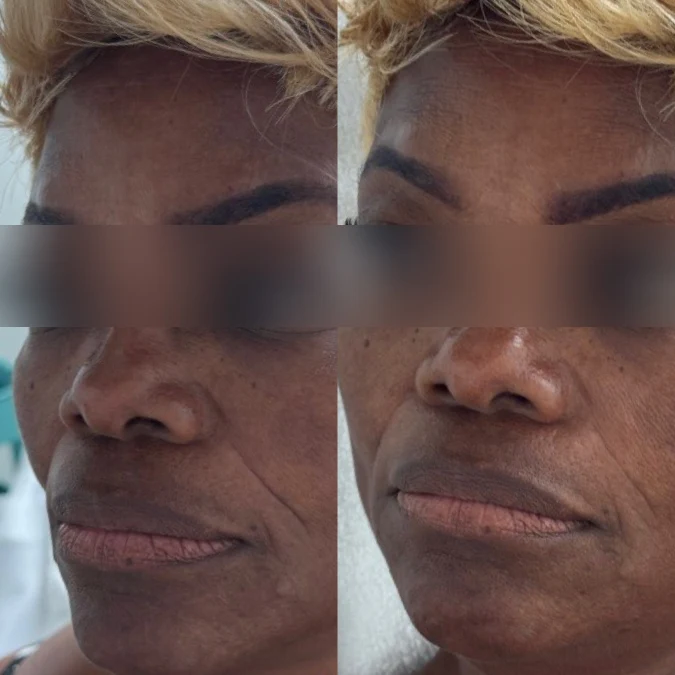
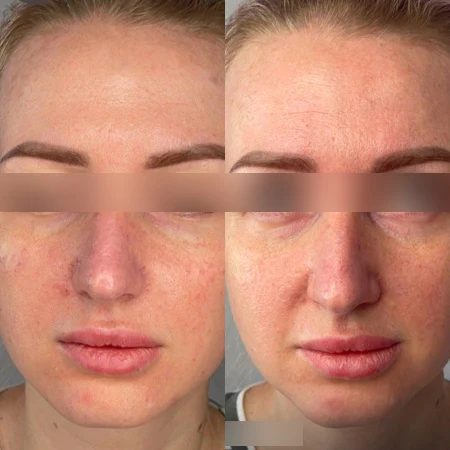
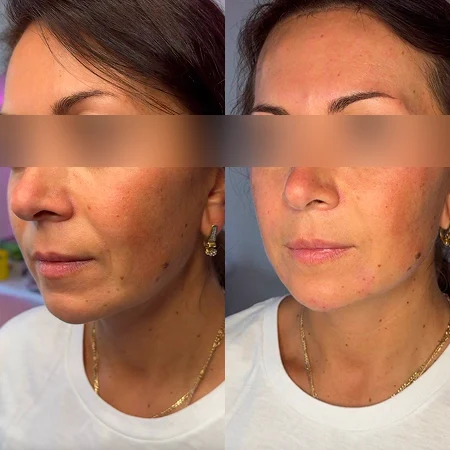
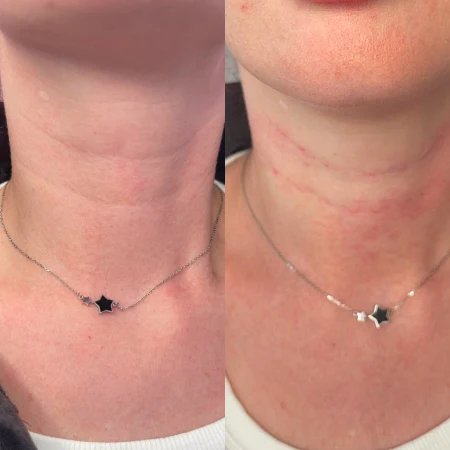
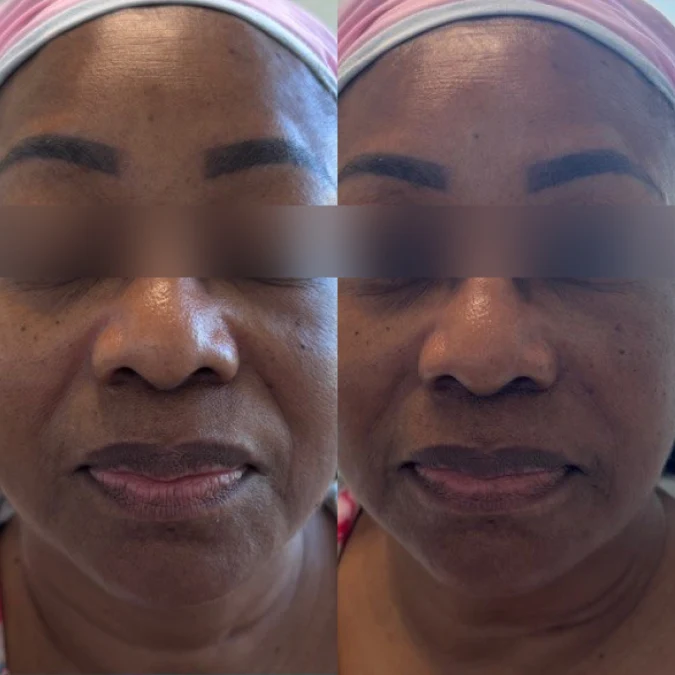
With age, the face loses more than skin elasticity — it loses structural volume: cheekbones become less defined, the chin less distinct, and nasolabial folds deepen. Facial contouring restores exactly that lost volume with hyaluronic acid-based fillers — an ingredient that already occurs naturally in the skin. The product is placed precisely into the target area, gently lifting and filling the tissue to restore a more defined, rested contour. Results are visible right away, with the final outcome assessed 1–2 weeks later, once swelling fully resolves.
Facial Contouring vs. Volumetric Facial Modeling: What’s the Difference
These are related but distinct services, and we always walk through the difference at your consultation. Facial contouring corrects one or a few specific areas (say, only the cheeks or only the chin), when the rest of your face is already where you want it. Volumetric facial modeling (see our “Volumetric Facial Modeling” page) is a comprehensive protocol that treats the face as a single system, for patients who’ve lost volume across several areas at once. Your specialist will help determine at your consultation which approach fits you best — starting with a single area, or planning a comprehensive correction from the outset.
How the Treatment Works
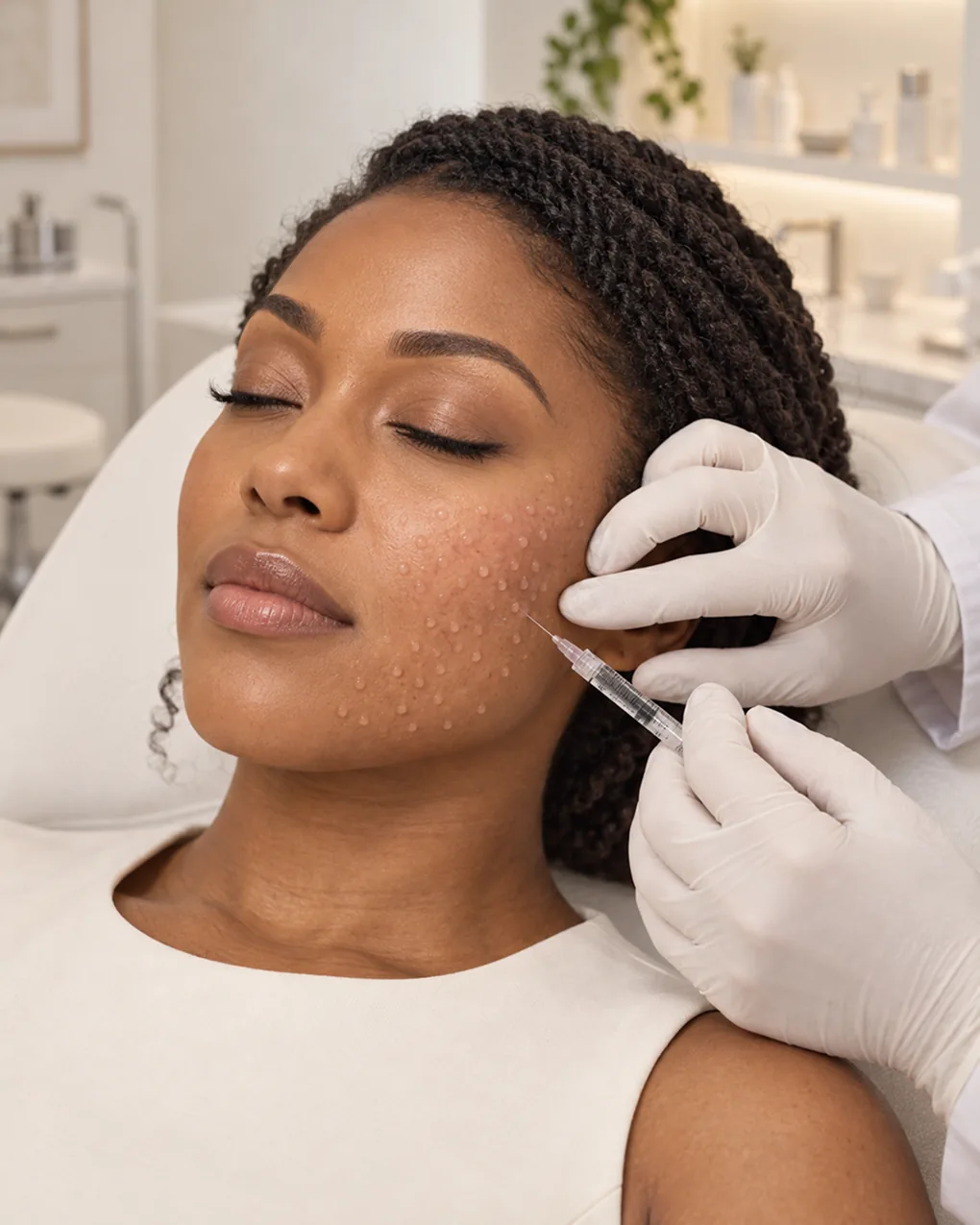
Your specialist examines your face, identifies the areas with the most volume loss, and discusses your goals. Treatment itself takes 30–45 minutes, depending on the number of areas: filler is placed with a fine needle or cannula, with cooling or numbing cream used as needed. Mild swelling and redness are possible right after treatment — a normal tissue response that resolves within a few days.
You can return to your normal activities right away. For the first 24–48 hours, avoid intense exercise, saunas, steam rooms, and extended sun exposure, which lowers the risk of swelling and bruising.
How Long Results Last, and How Much Filler You’ll Need
On average, facial contouring results last 9–18 months — the exact timeline depends on the area, the product selected, and your individual metabolism: denser modern fillers, for example, tend to last longer in the cheeks than in more mobile areas. The amount of product is also individualized: correcting a single area might take about 1 syringe (1 mL), while treating several areas may require more — your specialist will confirm the exact plan at your consultation, after examining your face.
Safety and Contraindications
The products we use are hyaluronic acid-based, FDA-approved, and have a long track record in aesthetic medicine. When administered by a qualified specialist, side effects are typically limited to mild swelling, redness, or bruising at the injection site. Nodules are less common and either resolve on their own or can be corrected with massage.
Cost of Facial Contouring in Boca Raton
Cost depends on the product selected, the number of areas treated, and the volume of filler used — your specialist will confirm the exact price after your consultation and exam. We always plan around what your face actually needs, rather than selling pre-packaged syringe bundles.
Why Patients Choose VESA
Aleksandra Grebenshchikova holds a medical degree from Kemerovo State Medical Academy (Russia) and advanced training in aesthetic cosmetology and injection techniques from The First Institute of Aesthetics and Cosmetology in Moscow. She practices in Florida as a Registered Nurse with a Master of Science in Nursing (RN, MSN, Florida National University) and is VESA’s injector, with 15 years of experience in injectable aesthetics, including dermal fillers and biostimulators.
We work only with original products sourced directly from the manufacturer, and we always aim for a result where what people notice isn’t “filler” — it’s a more rested, balanced face.
FAQ: Facial Contouring
How long do facial contouring results last?
On average, 9–18 months, depending on the treatment area, the product selected, and your individual metabolism.
What’s the difference between facial contouring and volumetric facial modeling?
Facial contouring corrects one or a few specific areas, while volumetric facial modeling is a comprehensive protocol for the whole face. Your specialist will help determine which approach fits you at your consultation.
Does facial contouring hurt?
Discomfort is minimal — fine needles or cannulas are used, with numbing cream applied if needed.
How much filler do I need for facial contouring?
It depends on the area and your goals: correcting one area might take about 1 syringe (1 mL), while several areas may require more. An exact plan is set at consultation.
How is the right product chosen for facial contouring?
We use only original, FDA-approved hyaluronic acid fillers. Your specialist selects the specific product individually, based on the treatment area and tissue density.
Are there any contraindications to facial contouring?
Yes — pregnancy and breastfeeding, active inflammation at the injection site, known sensitivity to hyaluronic acid, and bleeding disorders. A full list is reviewed at consultation.
When will I see results?
Results are visible right after treatment, with the final outcome assessed 1–2 weeks later, once swelling fully resolves.
Can filler correct facial asymmetry?
Yes, mild to moderate asymmetry responds well to filler correction — it’s one of the more common goals in facial contouring.
Individual results vary and are not guaranteed. Facial contouring is a medical treatment that requires an in-person consultation to review candidacy and contraindications. Information on this page is for general reference only and does not replace a consultation with a specialist.